Service / 02
Planned maintenance that keeps small faults small.
A fixed annual programme built from the assets, access conditions and operating hours of your building.
What is planned preventative maintenance?
Planned preventative maintenance is scheduled inspection, servicing and minor corrective work carried out before an asset fails. The approach usually costs less than reactive work because access, labour and materials can be coordinated in advance, while recurring faults are identified before they interrupt tenants or operations.
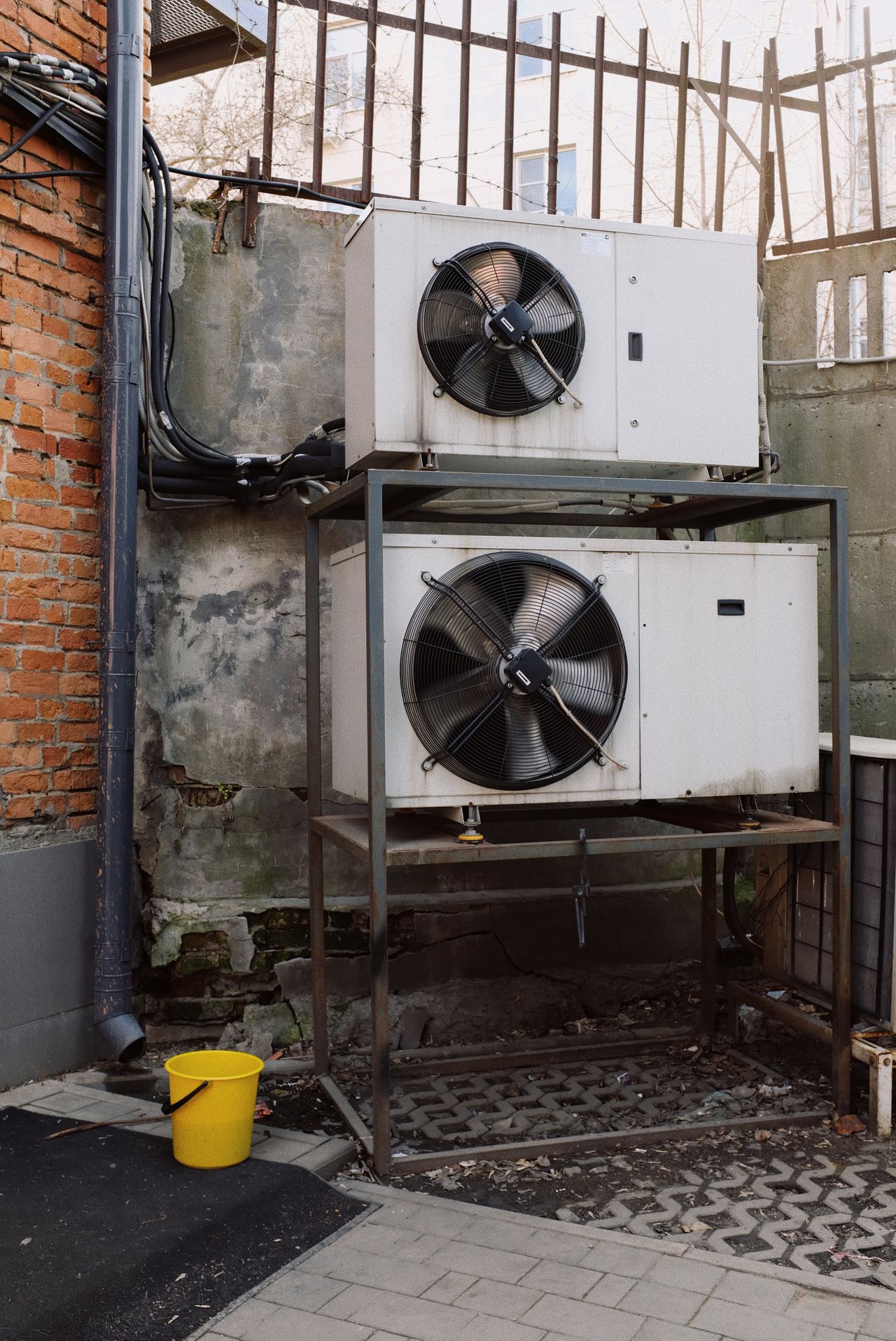
- HVAC servicing and filter changes
- Roof, gutter and drainage inspections
- Doors, shutters, grounds, car park, pest control and cleaning
How is the maintenance calendar built?
Ridgeline builds the maintenance calendar from a baseline asset register, manufacturer recommendations, observed condition, site risk and the client's operating hours. Each visit receives a defined scope, access note and evidence requirement. The calendar is reviewed against recurring faults and compliance dates rather than treated as a static checklist.
Equipment, location, criticality and service history.
Work windows, tenant impact and site hazards.
Recurring-fault and spend analysis quarterly.
How does the fixed annual fee work?
The fixed annual fee covers the agreed planned maintenance calendar, coordination, reporting and stated routine scopes, then invoices the annual figure monthly. A price review is triggered by material changes to the asset register, access requirements, legislation, agreed service scope or supplier costs; the trigger is documented rather than applied silently.
What is excluded and why are exclusions stated up front?
Exclusions are work types, materials or specialist services not included in the fixed annual programme, such as capital replacement, damage caused by a third party, asbestos-related work or unplanned project remediation. Ridgeline states exclusions in the proposal so a planned fee is not mistaken for an unlimited repairs budget.
Excluded work is quoted or approved separately before it proceeds, subject to the contracted emergency threshold.
What reporting does a client receive?
A client receives a monthly operational report showing scheduled visits, completed scopes, outstanding actions, spend and next due dates. A quarterly review adds recurring-fault analysis, budget position, compliance risks and recommendations for lifecycle or capital work, giving the property manager a record suitable for owner and committee reporting.
Every completed job is tracked, costed and reported against the relevant asset.